

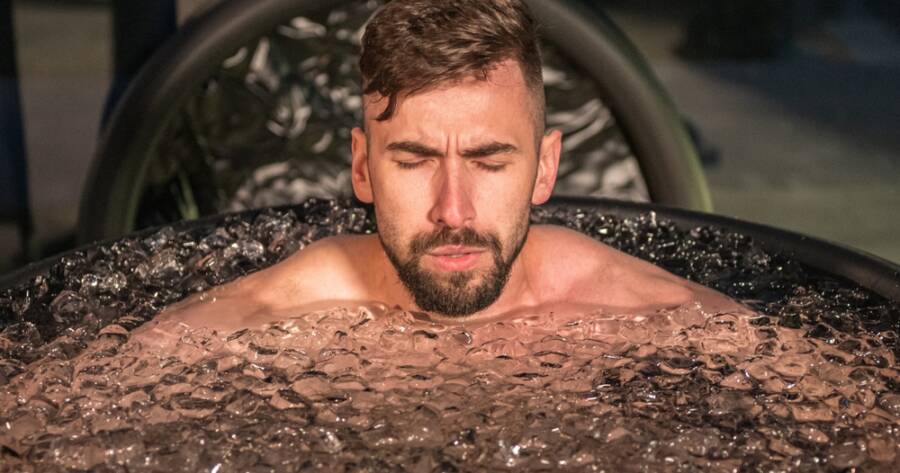
Cold water immersion has gained attention in the United States as more people explore simple recovery and wellness practices. From ice baths to cold plunges and winter lake dips, the idea is the same: brief exposure to cold water under controlled conditions. While the practice may sound extreme, many beginners start gradually and build tolerance over time. Understanding how it works, how to prepare, and how to stay safe is essential before stepping into cold water.
What Is Cold Water Immersion?
Cold water immersion involves placing part or all of the body in cold water for a short period of time. This can include ice baths, cold plunge tubs, unheated pools, or natural bodies of water during colder months. Water temperatures vary, but the experience is defined by water that feels distinctly cold to the body.
When the body enters cold water, it responds quickly. Breathing may become faster, and heart rate can rise. Blood vessels near the skin narrow as the body works to preserve core temperature. These reactions are normal, but they can feel intense at first. For this reason, beginners should approach the practice slowly and with preparation.
Why People Try Cold Water Immersion
Some individuals use cold water immersion after exercise. The cold temperature may temporarily reduce feelings of muscle soreness. Athletes have used ice baths for years as part of post-workout routines, although experiences vary between individuals.
Others practice cold immersion for mental focus and resilience. The initial shock of cold water requires controlled breathing and calm attention. Some people report that this challenge builds mental discipline and alertness. While personal experiences differ, the practice often appeals to those seeking structured discomfort in a controlled setting.
How to Start Safely as a Beginner
Beginners should avoid extreme temperatures and long exposure times. A safe starting point may be ending a normal shower with 30 seconds of cold water. This allows the body to adapt gradually without full immersion. Over time, you can slowly increase the duration.
If using a tub or plunge container, begin with cool water rather than ice-cold water. Limit early sessions to one or two minutes. Always exit the water if you feel dizzy, numb, or unwell. It is important to listen to your body and build tolerance slowly instead of rushing progress.
Breathing and Mental Preparation
Controlled breathing is one of the most important skills during cold exposure. When first entering cold water, many people gasp or hold their breath. Instead, focus on slow, steady breathing through the nose if possible. This helps calm the nervous system and reduces panic.
Before entering the water, take a few moments to relax your body. Remind yourself that the discomfort is temporary. Staying mentally steady makes the experience more manageable. Over time, your body may adapt, and the initial shock may feel less intense.
Safety Considerations Before You Start
Cold water immersion should be treated as a controlled stress practice, not a toughness test. The body can react quickly to cold water, especially during the first minute, so beginners should start with short exposure, keep the head above water, use an easy exit point, and avoid practicing alone.
Anyone with heart disease, uncontrolled high blood pressure, circulation problems, fainting history, seizure risk, Raynaud’s symptoms, pregnancy-related concerns, or other medical issues should speak with a healthcare professional before trying cold immersion. Sudden cold exposure can raise breathing rate, heart rate, and blood pressure, which may be risky for some people.
Be vigilant about the following risk factors:
- Cold shock response: The first moments in cold water can trigger gasping, fast breathing, panic, and loss of control. This is why beginners should enter slowly, keep the face out of the water at first, and focus on steady breathing before going deeper.
- Open water risks: Lakes, rivers, and oceans are more dangerous than a tub or controlled plunge setup. Cold water, currents, waves, uneven footing, poor visibility, and distance from shore can make it harder to stay calm and exit safely, even for strong swimmers.
- Session length: Beginners should keep early sessions brief and avoid chasing longer times or colder temperatures. A short, controlled session is safer than pushing through numbness, dizziness, shaking, chest discomfort, or confusion.
- Afterdrop and warming up: Body temperature can continue to fall after leaving cold water, especially after longer exposure. Ongoing shivering, confusion, poor coordination, or unusual fatigue are warning signs that should not be ignored.
- Alcohol and judgment: Cold immersion should not be mixed with alcohol, drugs, dares, or social pressure. Clear thinking matters because the safest choice may be to shorten the session, skip open water, or stop before the body feels overwhelmed.
Warming Up After Exposure
Plan your recovery area before the session begins. Cold hands, rushed thinking, and wet flooring can make simple tasks harder after exposure, so keep the path from the water to your recovery spot clear. If you are outdoors, choose a sheltered place where wind will not keep pulling heat from your body.
Give yourself a quiet transition period before driving, working, or doing another activity. Cold exposure can leave some people shaky, distracted, or slower to react for a short time. Wait until you feel steady, alert, and fully in control before moving on.
It can also help to treat each warm-up as feedback. If you feel wiped out afterward, struggle to settle, or need a long time to feel normal again, the session may have been too cold, too long, or too intense. Use that information to shorten the next session rather than trying to beat your previous time.
What Gear Helps Beginners
Beginners do not need expensive equipment to try cold water immersion, but a few simple items can make the practice safer and easier to manage. A water thermometer helps you avoid guessing the temperature, while a timer keeps sessions from stretching too long. A non-slip mat, sandals, or water shoes can also help reduce slipping when entering or leaving a tub, shower, or outdoor setup.
Keep warm recovery items ready before you start. Place a dry towel, warm layers, socks, and a hat within reach so you are not searching for them while cold and wet. If you are using a tub, stock tank, or plunge container, make sure there is a stable edge, step, or handhold for getting out. The best beginner setup is not the coldest or most impressive one. It is the one that lets you enter, exit, and warm up with control.
Building a Consistent Routine
If you choose to continue, set a schedule that feels realistic. Some people practice a few times per week rather than daily. Consistency matters more than extreme exposure times. Keeping sessions short and controlled reduces risk.
Track how long you stay in and how you feel afterward. This record helps you notice patterns and adjust your approach. Over time, you may find a routine that feels both challenging and manageable.
Starting Cold Water Immersion With Care
Cold water immersion can be a structured way to explore physical and mental resilience, but it requires caution and patience. Beginners should start gradually, focus on breathing, and prioritize safety at every step.
The goal is controlled exposure, not endurance or competition. By respecting your limits and warming up properly afterward, you can explore this practice in a balanced and responsible way.