

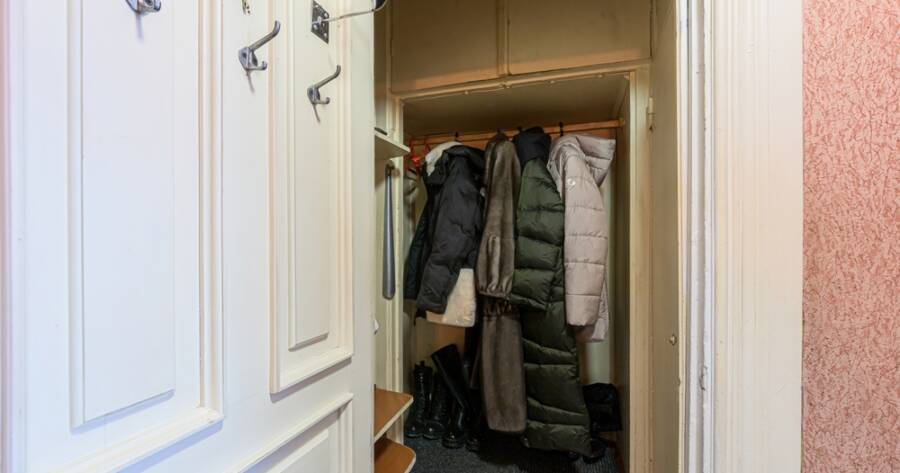
An entryway drop zone gives everyday items a clear place to land before they spread across the house. Shoes, keys, backpacks, mail, coats, dog leashes, and returns can pile up fast when there is no system. The goal is not to create a perfect mudroom. It is to build a small, easy setup that matches how your household actually comes and goes. With the right hooks, baskets, trays, and shoe storage, the mess becomes easier to control.
Start by Studying What Lands by the Door
Before buying anything, watch your entryway for two or three normal days. Notice what ends up on the floor, table, stairs, chair, or kitchen counter. Most drop zones need space for shoes, bags, coats, keys, sunglasses, mail, reusable bags, and items waiting to leave the house.
This step matters because the best system is based on the clutter you already have. If shoes are the main problem, start with shoe storage. If backpacks and jackets are the issue, hooks may matter more. If small items disappear, a tray or bowl should be part of the plan.
Choose the Best Wall for the Drop Zone
A drop zone should sit near the door your family uses most. That may be the front door, garage entry, side door, or hallway near the kitchen. The closer it is to the real traffic path, the more likely people are to use it.
Try not to block the walking path. A narrow wall, closet side, stair landing, or small corner can work if the pieces are slim. Wall-mounted storage is often better than bulky furniture in a tight entry because it uses vertical space and keeps the floor easier to clean.
Add Hooks for Bags, Coats, and Leashes
Hooks are one of the simplest ways to stop entryway clutter. They give coats, tote bags, backpacks, hats, umbrellas, and dog leashes a clear home. Adhesive utility hooks can work for lightweight items when drilling is not a good option, and large Command utility hooks are designed for damage-free hanging on smooth finished surfaces.
For heavier bags or a family entry, a rail system may be a better fit. Rubbermaid FastTrack uses a rail or wall-mounted setup with modular accessories that can be changed as storage needs shift. That type of system can work well near a garage entry where backpacks, sports bags, and outdoor gear need stronger support.
Give Every Person a Landing Spot
A shared drop zone works better when each person has a small assigned space. This can be a labeled hook, basket, bin, cubby, or shelf. Kids are more likely to use the system when they know exactly which spot belongs to them.
Labels do not need to look fancy. Names, initials, picture labels, or simple color coding can help. The point is to remove the daily question of where something should go. If everyone has one hook and one basket, the system becomes easier to follow.
Control Shoes Before They Spread
Shoes often create the biggest entryway mess because they land fast and spread wide. A simple shoe rack works if your household owns only a few everyday pairs. A slim shoe cabinet may work better when you want shoes hidden but still close to the door.
IKEA offers shoe cabinets, racks, benches, and organizers designed to keep shoes organized and out of the way. That gives you several setup options, from open racks for quick access to closed cabinets for a cleaner look.
Use a Tray for Keys, Wallets, and Small Items
Small items need a small target. A tray, bowl, shallow basket, or divided organizer can hold keys, wallets, sunglasses, earbuds, work badges, and loose change. Without a landing spot, those items often drift into the kitchen, living room, or laundry area.
Place the tray where people naturally pause. That might be on a console table, shoe cabinet, wall shelf, or small bench. Keep it small enough that it cannot become a junk drawer in plain sight. When the tray fills up, it is a sign that the system needs a quick reset.
Add a Mail and Paper Sorter
Mail can turn an entryway into a paper pile within days. A basic sorter helps separate what needs action from what can be recycled, shredded, or filed. You do not need a large office setup by the door. One small vertical sorter or wall pocket is usually enough.
Use simple labels, such as “To Pay,” “To File,” “School,” and “Outgoing.” Avoid making too many categories, because extra choices slow the system down. The goal is to keep paper moving instead of letting it become a permanent stack.
Include a Bench Only If It Solves a Problem
A bench can be useful if people sit down to put on shoes or need a place to set bags. It can also add storage if it has cubbies, drawers, or space for baskets underneath. But a bench can become cluttered if it is only added for style.
Choose a bench only when it supports the routine. If your entry is narrow, a wall shelf and hooks may work better. If you have kids, a low bench with baskets can make shoes and winter gear easier to reach. If your main issue is mail and keys, a small table may be enough.
Use Baskets for Flexible Storage
Baskets are useful because they hide visual clutter while keeping items easy to grab. They work well for hats, gloves, scarves, pet supplies, sports gear, reusable shopping bags, and outdoor toys. Open baskets are usually better than lidded bins for daily-use items because they are faster to use.
Keep each basket focused. One basket for winter gear, one for dog-walking items, and one for returns is easier to maintain than one large mixed basket. If a basket starts overflowing, remove items that do not belong near the door.
Make Room for Things Leaving the House
Many entryways get messy because outgoing items have no holding spot. Library books, packages, store returns, school forms, dry cleaning, and borrowed items need a place to wait. Without one, they often sit on counters or get forgotten.
Create a small “out the door” zone. This can be a basket, shelf, tote, or labeled bin. Keep it near the exit but not in the walkway. When someone leaves, the item is already in the right path.
Keep the System Easy to Reset
A drop zone only works if it can be cleaned up quickly. Build a five-minute reset into the day, such as after dinner or before bed. Put shoes back, empty the tray, sort mail, and move outgoing items where they belong.
This reset should feel small. If it takes too long, the system may have too many items or not enough storage. A good drop zone should make daily cleanup faster, not add another complicated chore.
Small Entryways Need Tighter Rules
A small entryway can still work, but it needs limits. Choose one hook per person, one shoe spot per person, one small tray, and one paper sorter. Do not try to store every coat, bag, and shoe by the door.
Use vertical space whenever possible. A wall shelf above hooks, a narrow shoe cabinet, or a slim rail can do more than a wide table. The smaller the space, the more important it is to keep only daily-use items there.
A Clear Landing Spot Changes the Whole House
A good drop zone does not need to be large, expensive, or custom-built. It needs to match the way your household actually enters and leaves. Start with the biggest problem, then add only the pieces that solve it: hooks for bags, shoe storage for footwear, a tray for small items, a sorter for paper, and a basket for outgoing items.
The real test is whether people use it on a rushed weekday. If the system is close to the door, easy to understand, and quick to reset, clutter has fewer places to spread. That small entryway habit can make the rest of the home feel calmer.