

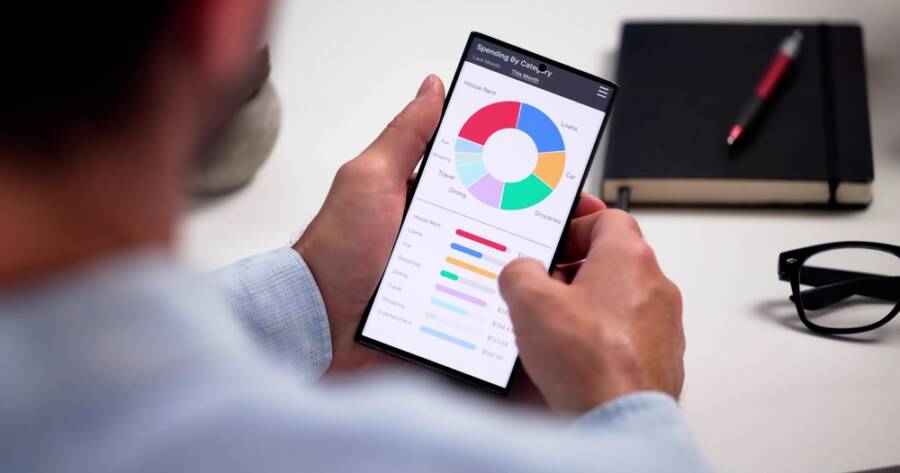
Keeping track of spending can feel overwhelming, especially when purchases happen across multiple accounts, cards, and platforms. Without a clear view, money tends to slip away unnoticed. Budgeting apps simplify the process by organizing finances in one place and offering insights that make better decisions easier. With the right tools, managing money becomes less stressful and more consistent. Choosing an app that fits your lifestyle can turn financial tracking into a habit that supports long-term savings and smarter everyday spending.
Why Using a Budgeting App Makes a Difference
Tracking spending manually can quickly become tedious, which is why many people stop doing it altogether. Budgeting apps remove that friction by automatically categorizing transactions and giving a real-time view of where money is going. This level of visibility helps prevent overspending before it happens.
Beyond convenience, apps provide insights that are difficult to see on your own. Patterns, trends, and problem areas become much clearer when everything is organized in one place. Over time, this awareness leads to better habits, making it easier to stay within budget and consistently set aside money for savings.
You Need a Budget (YNAB): Best for Hands-On Budgeting
You Need a Budget (YNAB) is designed for people who want full control over their finances. It follows a zero-based budgeting approach, meaning every dollar is assigned a job. This method encourages intentional spending and helps users stay proactive rather than reactive with their money.
The app requires a bit of a learning curve, but it’s highly effective once understood. YNAB focuses on planning ahead instead of tracking after the fact. For users willing to engage with their budget regularly, it can be a powerful tool for building strong financial habits and steadily increasing savings over time.
Goodbudget: Simple and Envelope-Based
Goodbudget brings the traditional envelope system into a digital format. Instead of using physical cash, users allocate portions of their income into virtual envelopes for different spending categories. This makes it easy to see how much is available in each area at any given time.
It’s especially useful for those who want a straightforward, visual approach to budgeting. Because it doesn’t rely heavily on automatic syncing, it encourages more intentional tracking. This added involvement can help reinforce awareness and discipline, making it easier to control spending and stick to financial goals.
Monarch Money: Best for a Complete Financial Overview
Monarch Money offers a comprehensive view of your financial life by combining budgeting, tracking, and goal setting in one place. It connects to multiple accounts, allowing users to see everything from daily spending to long-term investments.
The platform is designed to be flexible, making it suitable for different budgeting styles. It also includes features for planning future expenses and tracking financial progress over time. For users who want both big-picture insights and detailed tracking, Monarch Money provides a well-rounded and modern solution.
Honeydue: Ideal for Couples Managing Money Together
Honeydue is specifically built for couples who want to manage finances collaboratively. It allows partners to track spending, share account information, and communicate about money in a transparent way. This helps reduce misunderstandings and keeps both people aligned on financial goals.
The app offers flexibility by letting users choose how much information to share. Notifications and messaging features make it easier to stay connected and informed. For couples trying to build better financial habits together, Honeydue creates a shared system that supports teamwork and accountability.
PocketGuard: Best for Preventing Overspending
PocketGuard focuses on answering one simple question: how much money is safe to spend right now. It analyzes income, bills, and savings goals to show what’s left over for discretionary spending. This makes it easier to avoid overspending without constantly doing mental calculations.
The app is especially helpful for those who struggle with impulse purchases or staying within limits. By simplifying financial information into clear, actionable numbers, PocketGuard reduces uncertainty and helps users make smarter spending decisions in the moment.
Simplifi: Easy-to-Use and Beginner Friendly
Simplifi is designed for people who want a clean, easy-to-use budgeting experience without unnecessary complexity. It automatically tracks spending, categorizes expenses, and provides a clear overview of financial activity.
One of its strengths is its simplicity. Users can quickly see where their money is going and make adjustments without needing advanced knowledge. For beginners or anyone looking for a low-effort way to stay on top of finances, Simplifi offers a smooth and accessible introduction to budgeting.
Rocket Money: Best for Subscription Tracking and Bill Management
Rocket Money is a strong choice for people who feel like recurring charges are quietly eating into their budget. The app is built around subscription tracking, spending visibility, and bill management, making it useful for anyone who wants to spot services they no longer use. It can help users review recurring payments, cancel unwanted subscriptions, set budgets, and monitor bills in one place.
This makes Rocket Money especially helpful for households with streaming services, app subscriptions, memberships, or bills spread across several accounts. Instead of only showing where money went after it is gone, the app helps users identify repeat charges that may be easier to cut. For people who want quick savings opportunities without rebuilding their entire budget from scratch, Rocket Money fills an important gap.
Empower Personal Dashboard: Best for Spending, Investments, and Net Worth
Empower Personal Dashboard works best for users who want to see more than monthly spending. It combines budgeting, planning, retirement tools, and a broader financial dashboard, which makes it useful for people who want to track cash flow alongside investments and net worth. Its dashboard can show account information in one place, including net worth and other financial overview tools.
This makes Empower a better fit for users who are moving beyond basic budgeting. Someone who wants to watch spending, check portfolio balances, and track long-term progress may find it more useful than a simple envelope-style app. It may not be the most hands-on daily budgeting tool, but it gives a clearer picture of how everyday decisions connect to larger financial goals.
Copilot Money: Best for iPhone Users Who Want a Modern App Experience
Copilot Money is designed for users who want a polished, modern finance app rather than a traditional budgeting spreadsheet. It tracks spending, budgets, investments, and net worth in one place, with availability across iPhone, iPad, Mac, and web. Its emphasis on automation, design, and privacy makes it especially appealing to users who want a smoother app experience.
This app is a good fit for people who are more likely to stay consistent when the interface feels clean and easy to use. For iPhone users in particular, Copilot can make budgeting feel less like homework and more like checking a well-organized dashboard. It may be more than some beginners need, but for users who value design and smart categorization, it adds a more premium-feeling option to the list.
Tiller: Best for Spreadsheet Users
Tiller is built for people who like the control of spreadsheets but do not want to enter every transaction by hand. It automatically tracks daily spending, balances, and budgets in Google Sheets and Excel, while still allowing users to customize their setup. That makes it different from most app-first budgeting tools.
This is a strong option for users who already like formulas, custom categories, tabs, and detailed financial views. Tiller gives spreadsheet users more flexibility than a standard budgeting app, but it may feel too involved for someone who wants a simple mobile experience. For detail-oriented users, though, it can turn a personal spreadsheet into a more powerful financial tracking system.
EveryDollar: Best for Simple Zero-Based Budgeting
EveryDollar is built around zero-based budgeting, where users give every dollar a purpose before the month begins. This makes it a useful option for people who like the idea behind YNAB but want a simpler, Ramsey-style budgeting system. The app focuses on planning, tracking spending, and finding more margin in the budget.
EveryDollar is especially helpful for users who want clear rules instead of flexible dashboards. It works well for people trying to control daily spending, follow a debt payoff plan, or build a more intentional monthly routine. The tradeoff is that it may feel less customizable than some other apps, but its simplicity is part of the appeal for users who want budgeting to feel direct and structured.
Choosing the Right App for Your Needs
Not every app works the same way, and choosing the right one depends on personal preferences and financial habits. Some people benefit from detailed, hands-on systems, while others prefer automation and simplicity.
Trying a few different options can help determine what feels most natural. The best app is the one that gets used consistently. When the process feels easy and intuitive, it becomes much easier to stay engaged and build long-term financial habits.
Using Technology to Build Better Money Habits
Budgeting apps are more than just tracking tools; they help create awareness, structure, and accountability. When used regularly, they turn financial management into a routine rather than a chore. Over time, small improvements in awareness lead to better decisions and stronger control over spending.
Consistency is what makes the biggest difference. With the right app and a simple system in place, saving money becomes less about effort and more about habit. The result is a more organized financial life that feels manageable, clear, and steadily improving.