

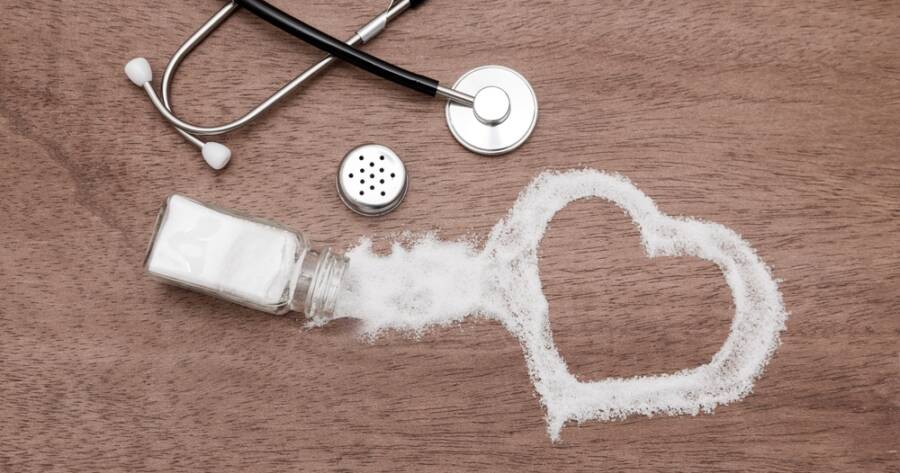
Many adults in the United States consume more sodium than they realize. Sodium is found in common foods such as bread, canned soup, frozen meals, and restaurant dishes. While the body needs some sodium to function, too much can affect overall health. The American Heart Association (AHA) provides clear guidance on limiting sodium intake. By understanding key recommendations and making steady changes, you can reduce sodium without feeling deprived.
Watch Out for the Salty Six
One useful way to spot hidden sodium is to watch for the “Salty Six,” a group of common foods that can add a lot of sodium to the day. The American Heart Association identifies some common sodium sources:
- breads and rolls,
- pizza,
- sandwiches,
- cold cuts and cured meats,
- soup,
- burritos or tacos.
This does not mean you need to remove all six foods from your diet. Instead, compare brands, choose smaller portions, and look for lower-sodium versions when possible. For example, a sandwich made with lower-sodium bread, fresh chicken instead of deli meat, and dressing on the side may reduce sodium without changing the meal completely.
Understanding AHA Sodium Recommendations
It’s recommended that most adults limit sodium to no more than 2,300 milligrams per day. For many adults, especially those with high blood pressure, the AHA advises aiming for an ideal limit of no more than 1,500 milligrams per day. These numbers provide a clear target for daily intake.
Sodium is measured in milligrams and listed on Nutrition Facts labels. Because sodium is present in many packaged and restaurant foods, intake can rise quickly without notice. Knowing the daily limits helps you evaluate food choices and track your total more accurately.
Learning to Read Nutrition Labels
One of the most practical steps in reducing sodium is learning how to read Nutrition Facts labels. On packaged foods, sodium is listed in milligrams per serving. It is important to check both the sodium number and the serving size. If you eat more than one serving, you must multiply the sodium amount accordingly.
Pay attention to the percent Daily Value as well. A product with 20 percent or more of the Daily Value for sodium is considered high. Comparing similar products at the store can reveal major differences. Choosing lower-sodium options within the same food category can gradually reduce daily totals.
Identifying Hidden Sources of Sodium
Many people assume that the salt shaker is the main problem. In reality, a large portion of sodium comes from processed and prepared foods. Items such as deli meats, canned vegetables with added salt, sauces, and snack foods often contain high amounts.
Restaurant meals can also be significant sources. Even foods that do not taste salty may contain high sodium levels due to preservatives and flavor enhancers. Becoming aware of these hidden sources allows you to make informed choices both at home and when dining out.
How to Make Food Taste Good With Less Salt
Reducing sodium works better when food still tastes satisfying. Instead of relying only on salt, build flavor with garlic, onions, lemon juice, vinegar, black pepper, chili flakes, cumin, smoked paprika, rosemary, basil, parsley, ginger, or salt-free seasoning blends. Acidic ingredients such as citrus and vinegar can make food taste brighter, which helps replace some of the flavor impact people expect from salt.
It also helps to reduce salt gradually rather than all at once. Taste preferences can adjust over time as people follow a lower-sodium diet. Start by using a little less salt in cooking, choosing one lower-sodium staple at a time, and adding stronger flavors from herbs, spices, citrus, and aromatics.
Salt and Sodium Are Not the Same Thing
Salt and sodium are closely related, but they are not identical. Table salt is sodium chloride, and sodium makes up only part of that compound. Table salt is about 40 percent sodium, which is why Nutrition Facts labels list sodium in milligrams rather than listing “salt” alone.
This distinction matters when tracking intake. A food may not taste extremely salty but can still contain a meaningful amount of sodium from ingredients, processing, or sauces. To follow AHA guidance, focus on the sodium number on the Nutrition Facts label and compare serving sizes carefully.
Swapping High-Sodium Staples for Smarter Alternatives
Another practical way to reduce sodium is to rethink common pantry staples that quietly add large amounts to your daily total.
Condiments and Sauces
Condiments can raise sodium quickly because they are easy to pour, dip, or spread without measuring. Soy sauce, bottled salad dressings, ketchup, barbecue sauce, marinades, and hot sauces can all add sodium in small serving sizes. Choosing reduced-sodium versions, using half the usual amount, or serving sauces on the side can help lower your total without making meals feel plain.
Dressings and Marinades
Homemade dressings give you more control than bottled versions. A simple mix of olive oil, vinegar, lemon juice, garlic, herbs, and black pepper can add flavor without relying heavily on salt. For marinades, try citrus juice, vinegar, onion, garlic, spices, and a small amount of lower-sodium sauce instead of using salty bottled blends as the main ingredient.
Bread, Tortillas, and Wraps
Bread may not taste salty, but it can still add up because many people eat it more than once a day. Sandwich bread, bagels, rolls, tortillas, wraps, and English muffins can all contribute sodium to breakfast or lunch. Comparing labels between brands can make a difference because sodium levels often vary within the same food category.
Breakfast Staples
Breakfast can become a hidden sodium source when it includes packaged sandwiches, processed meats, frozen breakfast items, biscuits, or flavored instant grains. Lower-sodium choices might include plain oatmeal, eggs with vegetables, fruit, unsalted nuts, yogurt, or whole-grain toast with a lower-sodium spread. The goal is not to make breakfast salt-free, but to avoid starting the day with a large sodium load.
Canned and Packaged Foods
Canned soups, broths, beans, vegetables, and ready-made meals are convenient, but they can be high in sodium. Look for “low sodium,” “no salt added,” or “reduced sodium” versions, then still check the Nutrition Facts label. Rinsing canned beans or vegetables can also help reduce some of the added sodium before cooking.
Small Swaps That Add Up
Sodium reduction works best when the changes are easy to repeat. Unsalted nuts instead of salted nuts, lower-sodium broth instead of regular broth, fresh chicken instead of deli meat, and homemade dressing instead of bottled dressing are simple swaps that do not require a full diet overhaul. These small choices help close the gap between wanting to eat less sodium and actually lowering your daily total.
Cooking More Meals at Home
Preparing meals at home gives you greater control over sodium content. When cooking from scratch, you can limit added salt and use herbs, spices, lemon juice, garlic, and other seasonings for flavor. These ingredients enhance taste without increasing sodium levels.
Rinsing canned beans and vegetables under water can remove some added sodium. Choosing fresh or frozen vegetables without added sauces also helps. Simple adjustments in food preparation often make a noticeable difference over time.
Making Gradual Changes
Reducing sodium does not require sudden, drastic cuts. Taste preferences can adjust gradually. Slowly decreasing the amount of salt used in cooking allows your palate to adapt without feeling like food is bland.
Start by identifying one or two high-sodium foods you consume regularly and replace them with lower-sodium alternatives. For example, choose low-sodium broth instead of regular broth, or select unsalted nuts instead of salted varieties. Small changes repeated daily add up.
Being Mindful When Dining Out
When eating at restaurants, consider asking for sauces and dressings on the side. Many sauces are high in sodium, and controlling the portion can reduce intake. You can also request that food be prepared without added salt when possible.
Reviewing nutrition information online before ordering can help guide your choice. Many large restaurant chains provide sodium content for menu items. Planning ahead supports better decisions without eliminating the enjoyment of dining out.
Building Healthier Sodium Habits
Reducing sodium intake using AHA guidelines begins with awareness and steady action. By aiming for recommended daily limits, reading Nutrition Facts labels, cooking more meals at home, and making thoughtful choices when dining out, you can lower sodium gradually and sustainably.
Small adjustments in daily habits often lead to meaningful improvements over time. With consistent effort, managing sodium becomes a routine part of maintaining overall health and well-being.