

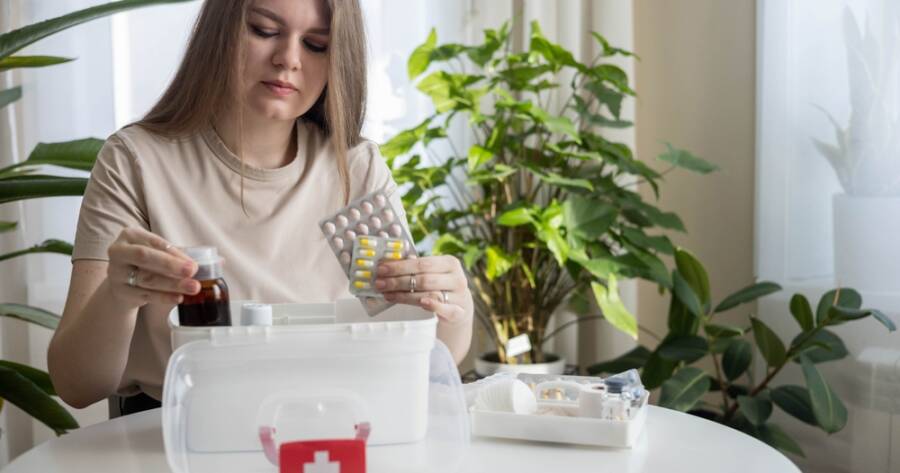
Minor injuries and sudden illnesses can happen at any time. A cut while cooking, a scraped knee, or a mild burn often requires quick attention. Having a well-stocked first aid kit at home allows you to respond calmly and effectively. In the United States, health organizations such as the American Red Cross recommend keeping basic supplies on hand for common injuries. Building a simple kit with essential items can improve safety and reduce stress during unexpected situations.
Choosing the Right Container and Location
Start with a sturdy, easy-to-carry container. A clear plastic box with a secure lid works well because you can see the contents quickly. Some people prefer a soft zippered bag with labeled compartments. The most important feature is organization so items can be found easily.
Store the kit in a cool, dry place that is easy for adults to access. A kitchen cabinet or hallway closet often works well. Avoid storing it in a locked area where it may be hard to reach in an emergency. At the same time, keep it out of reach of small children to prevent accidental misuse.
Basic Wound Care Supplies
Wound care items are the foundation of any first aid kit. Include adhesive bandages in several sizes for small cuts and blisters. Sterile gauze pads and adhesive tape are useful for covering larger wounds. Rolled gauze can help secure dressings in place.
Antiseptic wipes or solution help clean minor cuts and scrapes. Antibiotic ointment may be used to protect small wounds from infection. Disposable gloves should also be included to protect both the caregiver and the injured person from contact with blood. Keeping these items stocked ensures you are prepared for everyday injuries.
Tools for Safe Treatment
A few simple tools make first aid care more effective. Tweezers can help remove splinters or small debris from the skin. Small scissors are useful for cutting tape, gauze, or clothing if necessary. A digital thermometer allows you to check for fever during illness.
Include a cold pack that can be activated when needed. Cold packs can reduce swelling from minor injuries such as bumps or sprains. A small flashlight with fresh batteries may also be helpful during power outages or when examining injuries in low light. These tools support safe and careful treatment.
Medications and Topical Treatments
Over-the-counter medications can be helpful for common symptoms. Consider including pain relievers such as acetaminophen or ibuprofen, following labeled instructions for safe use. Antihistamines may help manage mild allergic reactions. Always store medications in their original packaging with clear dosage information.
Hydrocortisone cream can reduce itching from insect bites or mild skin irritation. Aloe gel may soothe minor burns. If anyone in your household has specific medical needs, include those supplies as well, but store prescription medications separately as recommended by a healthcare provider.
Emergency Information and Instructions
A first aid kit should also contain important information. Include a printed list of emergency phone numbers such as local emergency services, your family doctor, and a nearby urgent care center. Having these numbers ready saves time during stressful moments.
You may also add a basic first aid instruction booklet. Even simple guidance on treating cuts, burns, or sprains can be useful if you are unsure what to do. Clear instructions help maintain calm and prevent mistakes during urgent situations.
Maintaining and Updating the Kit
Building the kit is only the first step. Check the contents every six months to replace expired medications and used supplies. Restock items such as bandages and gauze after they are used so the kit remains complete.
Seasonal changes may also require adjustments. For example, adding extra insect bite relief during summer or ensuring cold packs are ready during sports seasons can improve preparedness. Regular review keeps your kit ready for real-life needs.
Staying Prepared for Everyday Emergencies
Building a basic home first aid kit with essential supplies is a practical step toward household safety. By organizing wound care items, useful tools, medications, and emergency information in one accessible place, you create a reliable resource for minor injuries and sudden illness.
Preparation reduces panic and supports faster response when accidents happen. With regular maintenance and thoughtful organization, your first aid kit can provide peace of mind for your entire household.