

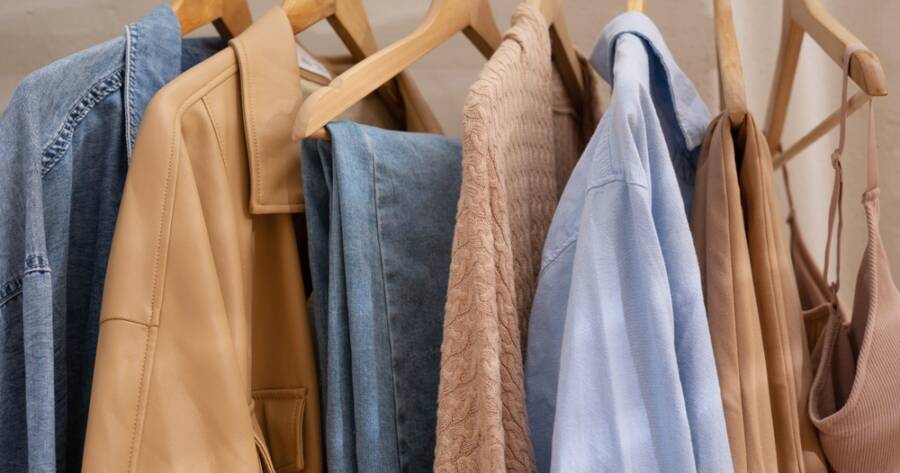
A crowded closet does not always mean you have more to wear. Many people in the United States own dozens of pieces yet still struggle to choose an outfit each morning. A capsule wardrobe offers a simpler approach. By limiting your clothing to 30 carefully chosen items, you create a closet that is easy to manage and easy to style. The 30-item framework encourages thoughtful selection, daily flexibility, and less stress around getting dressed.
What Is a 30-Item Capsule Wardrobe?
A capsule wardrobe is a small, curated collection of clothing designed to mix and match easily. The 30-item framework sets a clear limit, encouraging you to keep only versatile, well-fitting pieces that serve your daily life. Items typically include tops, bottoms, dresses, outerwear, and shoes, while underwear, sleepwear, and workout clothing are often excluded.
The purpose of the 30-item limit is not restriction but clarity. A defined number forces you to choose pieces you truly wear and enjoy. Instead of filling space with rarely used items, your closet becomes a focused collection built around comfort, function, and personal style.
Step 1: Clear and Evaluate Your Current Closet
Begin by removing everything from your closet. Lay your clothes on a bed or clean surface so you can see the full volume. This step may feel overwhelming, but it helps you understand how much you actually own.
As you sort, ask simple questions. Does this fit well? Have I worn it in the last year? Does it match other pieces I own? Create three piles: keep, donate, and store. Seasonal items can be stored separately if they are not needed right away. The goal is to keep only what serves your current lifestyle.
Step 2: Choose a Core Color Palette
A strong capsule wardrobe relies on coordination. Selecting a simple color palette makes mixing and matching easier. Many people choose neutral base colors such as black, navy, gray, white, or beige. These shades pair well with each other and create a consistent look.
After choosing base colors, add a few accent colors that reflect your personality. These can appear in tops, scarves, or accessories. Limiting your palette reduces decision fatigue and ensures that most items work together without effort.
Step 3: Select Versatile, High-Use Pieces
With your keep pile in front of you, begin building your 30-item collection. Focus on clothing you can wear in multiple settings. For example, a simple button-down shirt may work for both office and casual outings. A well-fitting pair of jeans can be styled up or down.
Think about your weekly routine. If you work in a business setting, you may need more structured pieces. If you work from home, comfort may matter more. Your wardrobe should reflect your real schedule, not an imagined one. Aim for balance among tops, bottoms, layers, and shoes so that you can create many outfit combinations from a limited number of items.
Step 4: Count and Adjust to Reach 30 Items
Once you have selected your core pieces, count them carefully. If you have more than 30 items, remove pieces that are harder to style or worn less often. If you have fewer, consider whether you are missing a practical staple, such as a jacket for cooler weather.
Be honest about frequency of use. A beautiful item that rarely leaves the hanger may not deserve space in a capsule wardrobe. The framework works best when each piece earns its place through regular wear.
Remember that the number 30 includes shoes and outerwear if you choose to count them. Keep your method consistent so the system remains clear.
Maintaining Your Capsule Wardrobe
Building the wardrobe is only the first step. Maintenance keeps it effective. When you buy something new, consider removing another item to stay close to your limit. This habit prevents slow closet growth over time.
Seasonal reviews also help. At the start of spring or fall, reassess your needs. Store off-season clothing neatly and re-evaluate whether each item still fits and matches your style. Over time, you may notice patterns in what you truly enjoy wearing, which makes future decisions easier.
Benefits of the 30-Item Framework
A smaller wardrobe simplifies daily life. With fewer choices, getting dressed becomes quicker and less stressful. Many people find that they spend less time organizing and less money on impulse purchases.
The 30-item framework also encourages thoughtful consumption. Instead of buying items based on trends, you focus on quality and fit. This shift can lead to better clothing care and longer garment use, which supports both personal budgeting and responsible shopping habits.
Simplicity That Supports Your Style
Building a capsule wardrobe using a 30-item framework creates structure without limiting personal expression. By clearing your closet, choosing a coordinated color palette, and selecting versatile pieces, you design a wardrobe that reflects your real life.
The result is not just fewer clothes but clearer choices each day. With regular review and mindful additions, this simple system can bring calm, order, and confidence to your daily routine.