

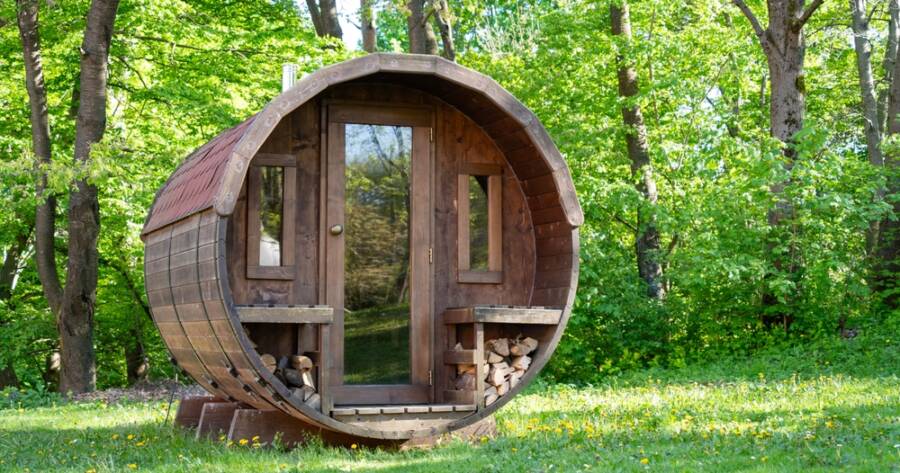
Backyard barrel saunas have become a popular home upgrade across the United States. Their rounded wood design gives them a rustic look, and many homeowners see them as a way to relax without leaving home. Outdoor saunas are usually heated by electricity or wood and are built to fit two to six people. Before investing in one, it is important to understand both the benefits and the possible drawbacks. A balanced view helps homeowners make informed decisions.
What Is a Backyard Barrel Sauna?
A barrel sauna is a small outdoor structure shaped like a large wooden barrel laid on its side. The curved design is not just for appearance. The rounded shape helps heat circulate more evenly inside the space. Most models are made from cedar or other weather-resistant wood and sit on a simple cradle base.
These saunas are usually installed in backyards, on patios, or near pools. They may be powered by an electric heater or a wood-burning stove. Some require professional electrical installation, while others are delivered as kits for home assembly. Because they are compact, they fit more easily into smaller yards than traditional square sauna rooms.
Potential Relaxation and Stress Relief Benefits
Many people use saunas for relaxation. Sitting in a warm, quiet space can promote calm and help reduce daily stress. The heat encourages the body to sweat, which some users associate with a feeling of cleansing or renewal. While individual experiences vary, the quiet environment alone can offer mental relief.
Sauna use may also help with muscle relaxation. After exercise or physical work, heat can feel soothing to tight muscles. Some people report temporary relief from soreness or stiffness. However, it is important to understand that saunas are not a replacement for medical treatment and should not be viewed as a cure for health conditions.
Convenience and Privacy at Home
One of the strongest advantages of a backyard barrel sauna is convenience. Instead of visiting a gym or spa, homeowners can step outside and use their sauna at any time. This makes regular use more realistic for busy schedules.
Privacy is another benefit. Public saunas require shared space, which may not feel comfortable for everyone. A home sauna allows users to control the setting, temperature, and schedule. This can create a more relaxed experience without outside distractions.
Space and Installation Considerations
Although barrel saunas are compact, they still require adequate outdoor space. The ground must be level and stable, often needing a concrete pad, deck, or gravel base. Improper placement can lead to shifting or water drainage problems.
Electrical models require access to a proper power source, which may involve hiring a licensed electrician. Wood-burning models require safe chimney installation and attention to local building codes. Homeowners should also check local zoning rules and homeowners association guidelines before installation. Planning ahead prevents unexpected issues later.
Maintenance and Weather Exposure
Barrel saunas are exposed to outdoor weather year-round. Rain, snow, and sun can affect the wood over time. Regular sealing or staining may be needed to protect the exterior. Without maintenance, the wood can fade, crack, or warp.
Interior care is also important. Benches should be cleaned regularly, and moisture should be allowed to dry between sessions to prevent mold or mildew. In colder regions, snow removal around the structure may be necessary. Maintenance is not difficult, but it does require ongoing attention.
Health and Safety Considerations
While many adults use saunas safely, heat exposure is not suitable for everyone. People with heart conditions, low blood pressure, or certain medical concerns should consult a healthcare professional before using a sauna. Staying hydrated before and after use is essential.
Sessions should be limited to reasonable time periods. Overheating can lead to dizziness or dehydration. It is also important to supervise children closely and follow manufacturer safety instructions. Responsible use reduces the risk of injury or discomfort.
Cost and Energy Use
Backyard barrel saunas can require a significant initial investment, especially when installation and electrical work are included. In addition to purchase costs, ongoing energy use should be considered. Electric heaters increase household electricity consumption, while wood-burning models require a steady supply of firewood.
Homeowners should factor in these ongoing expenses as part of long-term ownership. Energy use will vary depending on how often the sauna is used and how long each session lasts. Understanding both setup and operating needs helps prevent surprises.
Weighing Comfort Against Commitment
Backyard barrel saunas offer convenience, privacy, and a relaxing environment right at home. For many homeowners, the ability to unwind without leaving the property is appealing.
However, installation requirements, maintenance needs, energy use, and safety considerations should not be overlooked. By carefully weighing the benefits against the responsibilities, individuals can decide whether a backyard barrel sauna fits their lifestyle, budget, and long-term goals.