

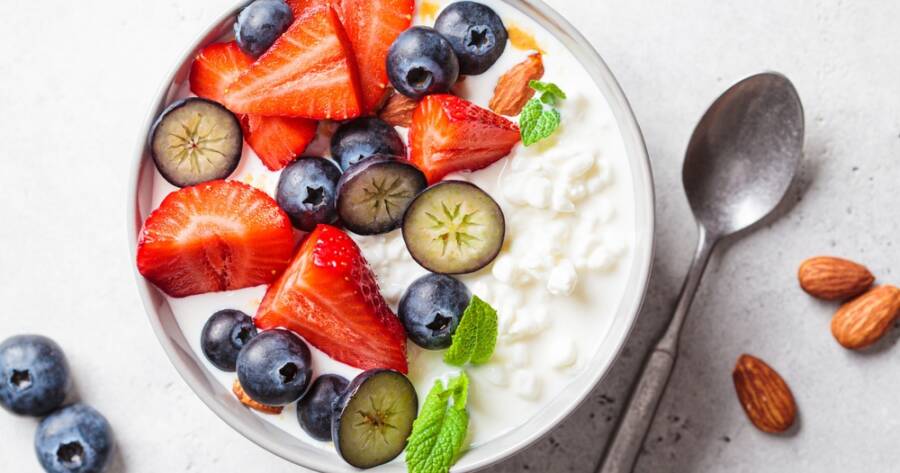
Snacking can either help your daily eating pattern or quietly work against it. The best snacks are not just low in calories or marketed as “better for you.” They help you feel satisfied, add useful nutrients, and make it easier to avoid rushed choices later. For many people, a smarter snack includes fiber, protein, healthy fats, or water-rich foods. Fortunately, many options can support steadier energy without making snack time feel strict or joyless.
What Makes a Snack a Healthier Choice?
A healthier snack usually does more than fill a craving for a few minutes. It should help bridge the gap between meals while adding something useful, such as fruit, vegetables, whole grains, dairy, nuts, seeds, beans, or lean protein. The CDC describes healthy eating as a pattern that focuses on whole, nutrient-dense foods, including protein foods, dairy, vegetables, fruits, healthy fats, and whole grains.
It also helps to think in pairs. A snack with only refined carbs may leave you hungry again soon, while a snack that combines fiber, protein, or fat may feel more complete. Snacks with more than one macronutrient, such as whole-grain crackers with low-fat cheese or nuts with grapes, tend to feel more satisfying.
Greek Yogurt With Berries and Nuts
Plain Greek yogurt with berries and a small handful of nuts is one of the easiest snacks to build around protein, fiber, and texture. Both plain low-fat and fat-free yogurt with fruit are recognized as healthy snack options.
This snack works because each part has a clear job. Yogurt adds creaminess and protein, berries add sweetness and fiber, and nuts add crunch and healthy fats. Choose plain yogurt when possible, then add fruit for sweetness instead of relying on flavored versions that may contain more added sugar.
Apple Slices With Peanut Butter
Apple slices with peanut butter are simple, filling, and easy to prepare. The apple brings crispness and natural sweetness, while peanut butter adds fat and protein. This can be more satisfying than eating fruit alone, especially during a long afternoon.
Look for peanut butter with simple ingredients when that fits your shopping style. Whole-grain toast with peanut butter or another nut butter is among the healthy snack ideas, particularly when the spread contains no added sugars or salts. That same idea works well with apple slices when you want a lighter snack without bread.
Vegetables With Hummus
Vegetables with hummus are a strong snack choice because they combine water-rich produce with a bean-based dip. Carrots, cucumbers, bell peppers, cherry tomatoes, and celery all work well because they are easy to wash, slice, and store.
It’s recommended to eat a variety of vegetables and fruits in their original form. However, frozen, dried, or canned options can be useful when they have no added sugar and are low in sodium. Hummus helps make vegetables feel more like a real snack instead of something added out of obligation.
Whole-Grain Crackers With Cheese
Whole-grain crackers with cheese can be a practical snack when you want something salty and filling. The crackers add crunch and grains, while cheese adds protein and fat. This pairing can be easier to stick with than a snack that ignores the craving for something savory.
Whole-grain crackers with very low-sodium, canned tuna or low-sodium salmon is one healthy snack option. For a simple home version, pair whole-grain crackers with cheese and add fruit or sliced vegetables if you want more volume.
Air-Popped Popcorn With Nuts
Popcorn can be a smart snack when it is not buried under heavy butter, sugar, or too much salt. It gives you crunch and volume, which can help when you want a snack that lasts longer than a few bites.
Whole-food snacks with protein, fiber, and whole grains, including nuts, yogurt, and popcorn, can help with satisfaction. A small bowl of popcorn with nuts can work well because popcorn brings the whole-grain crunch and nuts add staying power.
Cottage Cheese With Fruit
Cottage cheese with fruit is useful when you want a snack that feels more like a small meal. It works with peaches, berries, pineapple, melon, or sliced apples. The fruit adds sweetness and moisture, while cottage cheese adds protein.
This snack can also help people who want a cooler option after exercise, during warm weather, or between lunch and dinner. Dairy foods with no added sugars are part of healthier meals and snacks.
Hard-Boiled Eggs With Tomatoes or Fruit
Hard-boiled eggs are easy to prep ahead and store in the refrigerator. Pairing one with cherry tomatoes, grapes, or a small piece of fruit makes the snack feel more balanced. The egg adds protein, while the produce adds freshness.
This can be a good option when you need something quick before school pickup, errands, or an evening activity. Eggs are protein foods that integrate well into diverse meals. For snacking, the same idea can help when hunger is starting to build but a full meal is still hours away.
Roasted Chickpeas or Edamame
Roasted chickpeas and dry-roasted edamame are good choices for people who like crunchy snacks but want something more useful than chips. They can be seasoned in different ways, such as garlic, paprika, chili powder, or simple black pepper.
These snacks fit well because beans, peas, lentils, legumes, nuts, seeds, and soy are all quality protein foods. They also work well in lunch boxes, desk drawers, or pantry bins because they are less messy than many fresh snacks.
Avocado Toast on Whole-Grain Bread
Avocado toast can be a snack when the portion is modest. A slice of whole-grain toast with mashed avocado gives you fiber, fat, and a creamy texture. Add tomato, pepper, or a small amount of egg if you want it to feel more complete.
Healthier carbohydrate sources include vegetables, fruits, whole grains, and beans. Choosing whole-grain bread instead of refined white bread is a simple way to make this snack more supportive.
Tuna or Salmon on Whole-Grain Crackers
Tuna or salmon on whole-grain crackers can be a practical snack for people who want something savory and higher in protein. It can work especially well when you are tired of sweet snack options. For easier prep, keep the fish in a small bowl and spoon it onto crackers as you eat, rather than building crackers that may get soggy.
Smoothies Without Added Sugar
A smoothie can be a helpful snack when it is built like food, not dessert. Use fruit, plain yogurt or milk, and a simple add-in such as spinach, oats, chia seeds, or nut butter. Keep the portion moderate so it does not turn into an oversized drink.
Fruit and vegetable smoothies are healthy snack options as long as they don’t contain added sugar or syrup. A smoothie can be especially useful for people who struggle to eat enough fruit or want a cold snack after a walk or workout.
How to Stock a Better Snack Shelf
A healthier snack shelf should make the better choice the easy choice. Keep nuts, whole-grain crackers, tuna packets, roasted chickpeas, unsweetened dried fruit, and shelf-stable fruit cups packed in water or 100% juice where they are easy to see.
In the refrigerator, keep washed fruit, cut vegetables, plain yogurt, hummus, cheese, and hard-boiled eggs ready to grab. Canned fruit packed in 100% juice or water, unsweetened dried fruits, frozen grapes, and fresh fruit salad are other smart snack ideas.
Choose Snacks That Help Your Next Meal
The best snacks support healthier dietary choices because they reduce panic hunger, add useful nutrients, and make the next meal easier to approach. Greek yogurt with berries, vegetables with hummus, apple slices with peanut butter, whole-grain crackers with cheese, roasted chickpeas, and simple smoothies all give snack time a clear purpose.
A good snack does not need to be perfect. It just needs to help more than it hurts. Start with one habit: pair a fruit or vegetable with protein, fat, or whole grains. That small step can make daily eating feel more steady, more satisfying, and easier to maintain.