

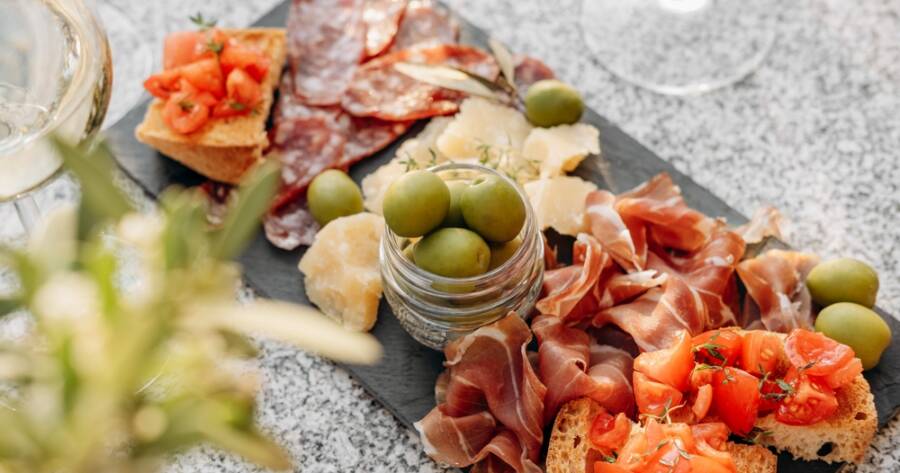
A charcuterie board can look polished without turning into an expensive grocery trip. The key is to stop thinking of it as a luxury tray and start treating it like a smart mix of simple foods. A good board needs variety, color, texture, and easy serving, not the most costly cheese or meat. With a clear plan, pantry items, seasonal produce, and careful portions, you can build a board that feels special while staying practical.
Start With a Simple Board Formula
A classic charcuterie-style board often includes meats, cheeses, fruits, vegetables, crackers or bread, nuts, olives, dips, and spreads. You do not need every category to make the board feel complete. A budget-friendly version can work with two cheeses, one meat, one fruit, one crunchy item, one dip, and one salty extra.
This formula helps you shop with limits. Instead of buying five cheeses and three meats, choose a few items that do different jobs. For example, cheddar brings a firm texture, hummus adds creaminess, grapes add sweetness, and crackers give the board structure.
Choose Two Affordable Cheeses With Different Textures
Cheese can quickly become the most expensive part of the board, so keep the selection small. Pick one firm cheese, such as cheddar, colby jack, or gouda, and one soft or spreadable option, such as cream cheese, goat cheese, or brie when it fits the budget. The goal is contrast, not a long cheese list.
Cut or cube part of the cheese before serving so people can grab it easily. Leave a small wedge or block on the board for a fuller look. This makes a smaller amount feel more generous because the board has both ready-to-eat pieces and a centerpiece.
Use Meat as an Accent, Not the Main Event
Cured or sliced meats can add savory flavor, but they do not have to cover the board. Use smaller folded pieces around the cheese, crackers, and produce. This gives guests the flavor they expect while helping the board stay balanced.
If deli-style meats are part of the board, keep food safety in mind. Deli meats should be held cold because storing them at 41 degrees Fahrenheit or colder helps slow bacterial growth. For a longer gathering, serve a smaller amount first and refill from the refrigerator instead of putting everything out at once.
Fill Space With Crackers, Bread, and Pantry Staples
Crackers, sliced baguette, pita chips, and pretzels are useful because they fill space and give guests something to pair with cheese, dips, and meats. They also help the board look full without relying only on higher-cost items.
Check your pantry before shopping. Jam, honey, mustard, pickles, roasted nuts, olives, dried fruit, and even a small bowl of popcorn can work on a casual board. Using what you already have is one of the easiest ways to keep the board from becoming a second full grocery haul.
Add Seasonal Produce for Color and Value
Fresh produce gives a board color, freshness, and shape. Seasonal fruits and vegetables can also help you avoid forcing expensive out-of-season items into the plan. Fresh, frozen, canned, and dried fruits and vegetables can all help add variety.
For a fresh board, grapes, apple slices, berries, cucumber rounds, carrots, bell pepper strips, cherry tomatoes, and orange slices all work well. Choose two or three colors so the board looks bright. A small pile of fruit beside a small bowl of dip can make the board feel more complete without adding many ingredients.
Shop With a List Before You Buy
A budget-friendly board starts before you enter the store. Plan the board around the number of people, the event, and what you already own. USDA budget shopping guidance recommends planning before shopping and buying foods at the best available price to stretch food dollars.
A simple list might include one firm cheese, one soft cheese, one meat, one cracker, one fruit, one vegetable, one dip, and one salty item. If you find a good sale, swap within the same category instead of adding more. For example, buy apples instead of berries, or pretzels instead of specialty crackers.
Use Small Bowls to Make Less Look Like More
Small bowls are one of the best styling tools for a budget board. They hold dips, olives, pickles, nuts, jam, mustard, or small candies. They also break up empty space, which makes the board look more planned.
Place bowls first, then build around them. Put cheese near crackers, fruit near cheese, and salty items near creamy dips. This keeps the board easy to use and prevents one corner from looking crowded while another looks bare.
Build the Board in Layers
Start with the largest items, such as bowls, cheese, and bread. Then add meat, fruit, and vegetables in small groups. Finish with tiny fillers, such as nuts, dried fruit, pretzels, or pickles. This order helps you see gaps before you use too much of any one item.
Try not to line everything up in straight rows unless you want a very neat tray. Small clusters often look more natural and full. Repeating one ingredient in two places, such as grapes on both sides of the board, can also make the whole board feel balanced.
Keep Food Safety Part of the Plan
Wash fresh fruits and vegetables under running tap water before cutting or serving them, including produce with skins or rinds that will not be eaten. Firm produce should be scrubbed with a clean produce brush. This matters because produce often sits directly beside ready-to-eat items like cheese and crackers.
Perishable foods should not sit at room temperature for more than two hours, or more than one hour when the temperature is above 90 degrees Fahrenheit. For a party, keep extra cheese, meat, and dips cold until needed. Refill the board in small rounds instead of leaving all the food out from the start.
Try a Budget Board Template
A simple board for a small group can follow this structure: one firm cheese, one spreadable cheese or dip, one sliced meat, one cracker or bread, one fruit, one vegetable, and one salty item. This gives enough variety without creating leftovers from too many open packages.
For a sweeter brunch board, use yogurt dip, fruit, mini bagels, nut butter, granola, and a small amount of cheese. For a movie-night board, use popcorn, pretzels, grapes, cheese cubes, hummus, carrots, and a few pieces of chocolate. The same board method works even when the ingredients are casual.
Avoid the Common Budget Mistakes
The biggest mistake is buying too many “special” items that do the same job. Three soft cheeses, several cured meats, and multiple spreads can make the board expensive without making it better. More choice is not always more useful.
Another mistake is forgetting the serving flow. If cheese is not cut, dips have no spoon, or crackers are far from spreads, people may avoid parts of the board. A good board should be easy to eat, not just nice to look at.
Make It Look Generous Without Overspending
A budget-friendly charcuterie board works best when every item has a purpose. Cheese brings richness, crackers bring crunch, fruit adds brightness, vegetables add freshness, dips add creaminess, and salty extras add contrast. Once those roles are covered, you do not need a crowded shopping cart.
The best board is not the one with the most expensive ingredients. It is the one people enjoy eating. Start with a short list, use what you have, add seasonal produce, and serve smaller refills as needed. With that approach, a homemade board can feel thoughtful, full, and easy to share without stretching the budget.