

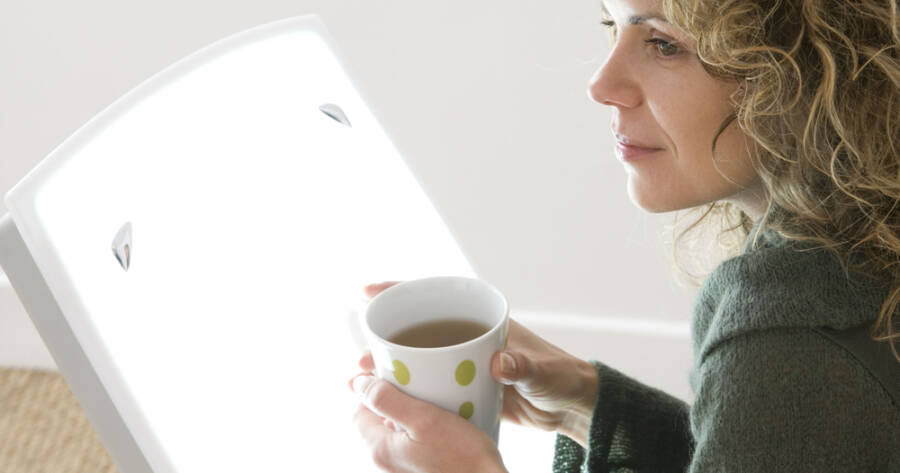
During the darker months of the year, many people notice a drop in energy, focus, and mood. Shorter days mean less exposure to natural sunlight, which can affect your daily rhythm. A light therapy lamp is a simple tool that can help bring back that missing light. By using it at the right time and in the right way, you can build a routine that supports better energy levels throughout the day.
How Light Therapy Lamps Work
Light therapy lamps are designed to mimic natural daylight. Most effective models produce about 10,000 lux of brightness, which is much stronger than typical indoor lighting. This level of light helps signal your body to feel more awake and alert.
When you sit near the lamp, the light reaches your eyes and helps regulate your internal clock. This can improve sleep timing, boost focus, and reduce the sluggish feeling that often comes with dark mornings. Many experts suggest using the lamp for about 20 to 30 minutes early in the day for the best results.
Key Features to Look For in a Lamp
Not all light therapy lamps are the same, so it helps to know what features matter. The most important factor is brightness. Look for a lamp that clearly states it delivers 10,000 lux, as this is the standard level used for light therapy.
You should also check for UV-free light. This ensures the lamp is safe for daily use without harming your skin or eyes. Many modern lamps use full-spectrum LED light that feels similar to natural daylight but remains comfortable to use.
Other useful features include adjustable brightness, built-in timers, and compact designs. These make it easier to fit the lamp into your daily routine, whether you use it at a desk, kitchen table, or bedside.
Popular Light Therapy Lamp Options
Several well-known products are widely used in the United States, including:
- The Verilux HappyLight series is one of the most recognized options. These lamps are compact, easy to place on a desk, and offer adjustable brightness settings for daily use.
- The Circadian Optics Lumos or Lattis models represent another strong option. These are designed with a slim profile and simple controls, making them easy to use during work or reading time.
- The Carex Day-Light or TheraLite Aura lamps provide a wider light surface and larger setup. These are useful if you want stronger coverage without needing to sit very close to the lamp.
- Portable options like the Lumie Vitamin L are also available. These are smaller and designed for travel or flexible use around the home, while still delivering strong light output.
How to Build a Daily Routine With a Lamp
Using a light therapy lamp works best when it becomes part of your daily routine. The most common approach is to use it in the morning. Place the lamp about an arm’s length away while you eat breakfast, check emails, or read.
You do not need to stare directly at the light. It should sit slightly off to the side so the light reaches your eyes naturally. Starting with around 20 minutes each morning is a simple way to build the habit. Over time, you can adjust based on how you feel.
Consistency matters more than long sessions. Using the lamp every day during darker months helps your body stay on a steady schedule. Many people find that regular use improves both energy and sleep patterns.
Common Mistakes to Avoid
One common mistake is using the lamp too late in the day. Bright light in the evening can interfere with sleep, so it is best to use it early in the morning. Another issue is sitting too far away, which reduces the effect of the light.
It is also important to choose a lamp that actually meets the 10,000 lux standard. Lower brightness levels may not provide the same benefits. Always check product details before buying.
Finally, skipping days can reduce the overall impact. Light therapy works best when used consistently, especially during fall and winter when natural light is limited.
Making Light Therapy Part of Your Day
A light therapy lamp is a simple tool that can make a noticeable difference during dark months. By choosing a reliable product and using it at the right time each day, you can support better energy, focus, and daily balance.
The key is to keep it simple. Pick a lamp that fits your space, use it each morning, and stay consistent. Over time, this small habit can help you feel more alert and ready to take on the day, even when sunlight is limited.