

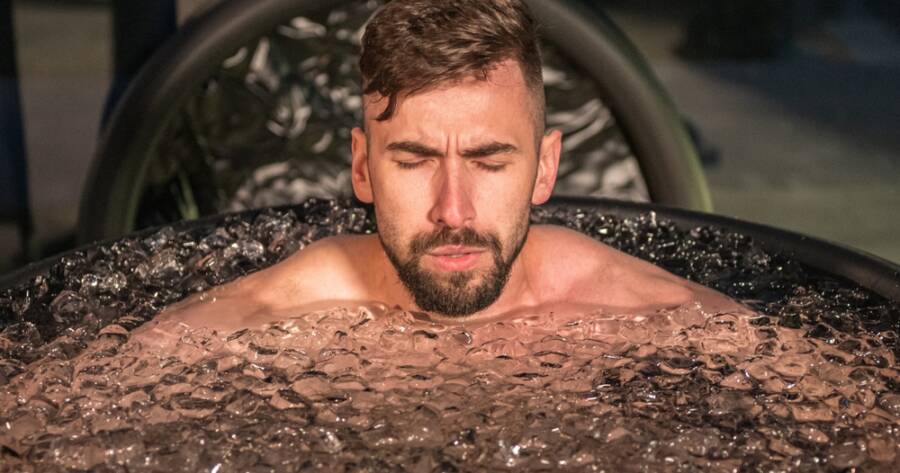
Cold water immersion has gained attention in the United States as more people explore simple recovery and wellness practices. From ice baths to cold plunges and winter lake dips, the idea is the same: brief exposure to cold water under controlled conditions. While the practice may sound extreme, many beginners start gradually and build tolerance over time. Understanding how it works, how to prepare, and how to stay safe is essential before stepping into cold water.
What Is Cold Water Immersion?
Cold water immersion involves placing part or all of the body in cold water for a short period of time. This can include ice baths, cold plunge tubs, unheated pools, or natural bodies of water during colder months. Water temperatures vary, but the experience is defined by water that feels distinctly cold to the body.
When the body enters cold water, it responds quickly. Breathing may become faster, and heart rate can rise. Blood vessels near the skin narrow as the body works to preserve core temperature. These reactions are normal, but they can feel intense at first. For this reason, beginners should approach the practice slowly and with preparation.
Why People Try Cold Water Immersion
Some individuals use cold water immersion after exercise. The cold temperature may temporarily reduce feelings of muscle soreness. Athletes have used ice baths for years as part of post-workout routines, although experiences vary between individuals.
Others practice cold immersion for mental focus and resilience. The initial shock of cold water requires controlled breathing and calm attention. Some people report that this challenge builds mental discipline and alertness. While personal experiences differ, the practice often appeals to those seeking structured discomfort in a controlled setting.
How to Start Safely as a Beginner
Beginners should avoid extreme temperatures and long exposure times. A safe starting point may be ending a normal shower with 30 seconds of cold water. This allows the body to adapt gradually without full immersion. Over time, you can slowly increase the duration.
If using a tub or plunge container, begin with cool water rather than ice-cold water. Limit early sessions to one or two minutes. Always exit the water if you feel dizzy, numb, or unwell. It is important to listen to your body and build tolerance slowly instead of rushing progress.
Breathing and Mental Preparation
Controlled breathing is one of the most important skills during cold exposure. When first entering cold water, many people gasp or hold their breath. Instead, focus on slow, steady breathing through the nose if possible. This helps calm the nervous system and reduces panic.
Before entering the water, take a few moments to relax your body. Remind yourself that the discomfort is temporary. Staying mentally steady makes the experience more manageable. Over time, your body may adapt, and the initial shock may feel less intense.
Important Safety Considerations
Cold water immersion is not appropriate for everyone. Individuals with heart conditions, high blood pressure, circulation problems, or other medical concerns should speak with a healthcare professional before trying it. Sudden cold exposure can place stress on the cardiovascular system.
Never practice cold immersion alone in open water. Lakes, rivers, and oceans carry additional risks such as currents and uneven surfaces. Even in a backyard setup, someone nearby should be aware of what you are doing. Safety should always come before intensity.
Warming Up After Exposure
After leaving cold water, allow your body to warm up gradually. Dry off and put on warm, dry clothing. Gentle movement, such as walking indoors, can help restore circulation. Avoid jumping immediately into a very hot shower, as extreme temperature shifts can stress the body.
Pay attention to how you feel in the hour after your session. Mild shivering is common, but prolonged numbness or confusion is not normal and requires attention. Recovery is part of the process, and ending each session safely helps support consistent practice.
Building a Consistent Routine
If you choose to continue, set a schedule that feels realistic. Some people practice a few times per week rather than daily. Consistency matters more than extreme exposure times. Keeping sessions short and controlled reduces risk.
Track how long you stay in and how you feel afterward. This record helps you notice patterns and adjust your approach. Over time, you may find a routine that feels both challenging and manageable.
Starting Cold Water Immersion With Care
Cold water immersion can be a structured way to explore physical and mental resilience, but it requires caution and patience. Beginners should start gradually, focus on breathing, and prioritize safety at every step.
The goal is controlled exposure, not endurance or competition. By respecting your limits and warming up properly afterward, you can explore this practice in a balanced and responsible way.