

Grocery stores in the United States are filled with convenient, ready-to-eat products. While many choices save time, many fall into the category of ultra-processed foods: products that often contain added sugars, refined grains, excess sodium, and artificial ingredients. Eating them occasionally is common, but relying on them daily can affect overall nutrition. Understanding which ultra-processed foods to limit can help you build a grocery list that supports better long-term health.
Sugary Breakfast Cereals
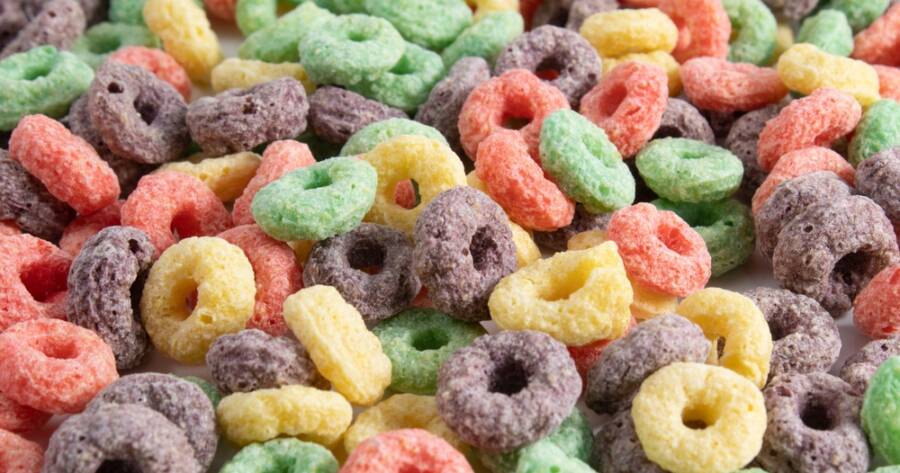
Many boxed breakfast cereals are heavily processed and contain added sugars as one of the first ingredients. Even cereals marketed as healthy may include high levels of sugar, artificial flavors, and refined grains. These ingredients can lead to quick spikes in blood sugar followed by energy crashes later in the morning.
Instead of sugary cereals, consider choosing plain oats or whole grain cereals with minimal added sugar. Reading the Nutrition Facts label helps identify products with lower sugar content. Starting the day with whole grains and protein supports more stable energy and reduces the need for mid-morning snacks.
Packaged Snack Cakes and Cookies
Snack cakes, cookies, and other packaged desserts are common examples of ultra-processed foods. They often contain refined flour, added sugars, hydrogenated oils, and preservatives designed to extend shelf life. These products provide calories with limited nutritional value.
Regular consumption can displace more nutrient-dense options such as fruit, yogurt, or nuts. While occasional treats are part of normal eating patterns, keeping highly processed sweets off your regular grocery list reduces temptation. Preparing simple desserts at home allows more control over ingredients.
Processed Meats
Hot dogs, sausages, deli meats, and similar products are often highly processed. They may contain added sodium, preservatives, and flavor enhancers. Processed meats are convenient for sandwiches and quick meals, but frequent intake can raise overall sodium consumption.
Replacing processed meats with lean, minimally processed protein sources supports healthier eating patterns. Options such as grilled chicken, beans, tuna packed in water, or baked tofu can serve similar purposes in sandwiches and salads without heavy processing.
Frozen Ready-to-Eat Meals
Frozen dinners and microwave meals are designed for speed and convenience. While some options are balanced, many contain high sodium levels and added preservatives. The ingredient list may be long and include additives not typically found in home kitchens.
Cooking larger batches of simple meals and freezing leftovers can provide similar convenience with fewer processed ingredients. Preparing soups, stews, or grain bowls in advance allows you to control seasoning and portion sizes. This approach reduces reliance on heavily processed frozen products.
Sugary Drinks and Sweetened Beverages
Sugary sodas, energy drinks, sweetened teas, and flavored coffee beverages are major sources of added sugar in many diets. These drinks are often ultra-processed and provide little nutritional benefit. Because liquid calories do not promote fullness the same way solid food does, intake can increase quickly.
Choosing water, unsweetened tea, or sparkling water with fresh fruit offers hydration without added sugars. Reducing sweetened beverage purchases is one of the simplest ways to cut ultra-processed items from your grocery list.
Packaged Chips and Savory Snacks
Chips, flavored crackers, and cheese puffs are common snack items that undergo heavy processing. They often contain refined grains, added sodium, and artificial flavoring. Portion sizes can be difficult to control, especially when eaten directly from large bags.
Replacing these snacks with whole food alternatives supports better nutrition. Nuts, seeds, air-popped popcorn without heavy seasoning, or sliced vegetables with hummus provide crunch and flavor with fewer additives. Planning snacks in advance helps avoid impulse purchases.
Sweetened Breakfast Bars and Protein Bars
Many breakfast bars and protein bars appear healthy but are highly processed. They often include added sugars, syrups, and artificial flavors. While convenient, they may not provide the balanced nutrition that whole foods offer.
Checking ingredient lists and comparing sugar content can reveal large differences between products. Whole food snacks such as yogurt with fruit or a small handful of nuts often deliver similar convenience with fewer processed ingredients.
Building a Simpler Grocery Cart
Cutting ultra-processed foods from your grocery list does not require eliminating all convenience. It begins with awareness and gradual change. By limiting sugary cereals, processed meats, frozen dinners, sweetened beverages, and packaged snacks, you make room for more whole, minimally processed foods.
Small adjustments at the store lead to steady improvements at home. Over time, choosing simpler ingredients can support balanced eating and long-term health without extreme restriction.