

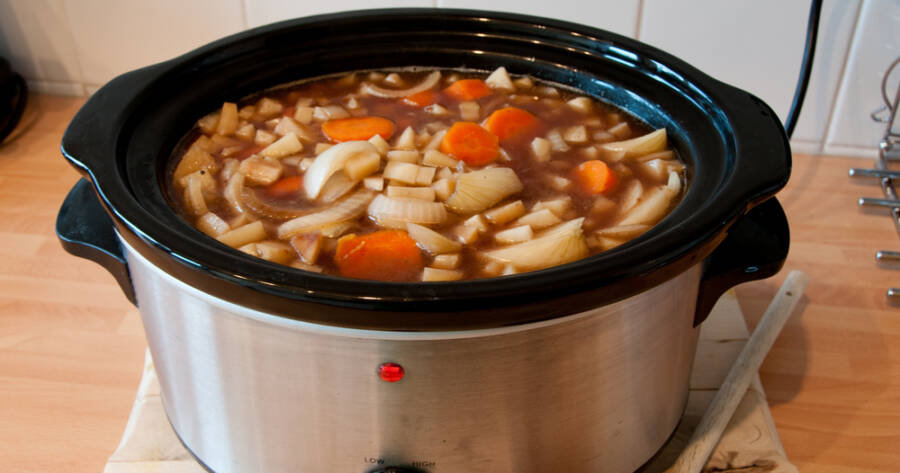
Preparing healthy meals at home can feel challenging during busy workweeks. Many households in the United States struggle to balance time, convenience, and nutrition. A slow cooker offers a practical way to simplify cooking while still serving balanced meals. By allowing ingredients to cook slowly over several hours, the appliance can support planning, portion control, and thoughtful food choices. Using a slow cooker regularly can encourage healthier eating habits without adding stress to daily routines.
Encourages Cooking With Whole Ingredients
One of the strongest health benefits of using a slow cooker is the ability to control ingredients. When meals are prepared at home, you decide what goes into the pot. Fresh vegetables, lean proteins, beans, and whole grains can form the base of many slow cooker recipes.
Unlike many packaged or takeout meals, home-cooked dishes made in a slow cooker are less likely to contain high levels of added sodium, sugar, or preservatives. This level of control makes it easier to follow heart-healthy or balanced eating patterns. Cooking from scratch allows for better portion awareness and ingredient transparency.
Supports Balanced, Nutrient-Dense Meals
Slow cookers are ideal for preparing soups, stews, and bean-based dishes that combine protein, vegetables, and fiber in one meal. For example, a simple chicken and vegetable stew can include lean protein, carrots, celery, onions, and herbs in a single dish.
Because the cooking process is gentle and steady, vegetables often retain their flavor and texture. Meals that include beans, lentils, and vegetables naturally increase fiber intake, which supports digestive health. Combining multiple food groups in one recipe helps create balanced plates without extra effort.
Reduces Reliance on Processed Convenience Foods
When schedules become busy, many families turn to frozen meals or fast food. Using a slow cooker allows you to prepare dinner in advance, reducing the temptation to rely on highly processed options. Meals can be assembled in the morning and ready by evening.
This advance preparation helps avoid last-minute decisions driven by hunger. Having a ready-to-eat meal at home encourages better choices and lowers the likelihood of ordering takeout. Over time, this routine can support healthier long-term habits.
Encourages Portion Control and Meal Planning
Slow cooker recipes often produce multiple servings, making them ideal for meal planning. Preparing a large batch of chili or vegetable soup provides leftovers for lunches or future dinners. This reduces food waste and supports consistent portion sizes.
Dividing cooked meals into containers can help manage serving amounts. When food is prepared at home, it is easier to measure and distribute evenly. Planned portions support mindful eating and prevent overeating that sometimes occurs with restaurant meals.
Makes Lean Proteins More Accessible
Lean cuts of meat, such as chicken breast or turkey, can become tender through slow cooking without the need for heavy sauces or frying. The long, moist cooking method softens tougher cuts as well, allowing for budget-friendly protein choices without sacrificing texture.
Beans and lentils also cook well in slow cookers, making plant-based meals easier to prepare. These options provide protein along with fiber and other nutrients. Including a variety of protein sources supports overall balanced nutrition.
Promotes Lower-Fat Cooking Methods
Slow cooking typically requires less added fat than frying or sautéing. Because the appliance uses low heat over a longer period, food cooks in its own juices. This method can reduce the need for large amounts of oil or butter.
Using herbs, garlic, onions, and spices enhances flavor without extra fat or sodium. Over time, this approach can help shift taste preferences toward lighter seasoning. Lower-fat cooking methods align with many heart-healthy dietary patterns.
Supports Consistent Eating Habits
Consistency is key to maintaining healthy routines. A slow cooker makes it easier to maintain regular meal times because dinner can be ready when you arrive home. This reduces skipped meals or late-night eating caused by long cooking times.
Having a predictable meal schedule can support steady energy levels. Planning ahead also reduces stress, which may influence eating behaviors. The simple act of preparing food earlier in the day supports more organized and thoughtful eating.
A Simple Tool for Healthier Home Cooking
Using a slow cooker for home-cooked meals offers practical health benefits rooted in preparation and control. By encouraging whole ingredients, balanced recipes, and lower-fat cooking methods, this appliance supports steady nutrition without added complexity.
It also reduces reliance on processed foods and promotes portion awareness. While no single tool guarantees perfect eating habits, a slow cooker can make healthy choices easier and more consistent within a busy lifestyle.