

Clean drinking water is something most households expect, but many people still look for ways to improve the taste and safety of what comes from the tap. A home water filtration system can help remove unwanted substances and make daily water use more reliable. With many options available, choosing the right system depends on your needs, your home setup, and what you want your water to do better.
Understanding What You Want to Filter
Before choosing a system, it helps to know what you are trying to remove from your water. Common concerns include chlorine taste, sediment, or more serious issues like heavy metals or bacteria. Different systems target different problems, so a one-size-fits-all solution does not exist.
For example, many basic filters improve taste and odor, while more advanced systems remove a wider range of contaminants. Tap water can contain substances like chlorine, lead, or pesticides, and filtration systems are designed to reduce these depending on the technology used. Testing your water or reviewing your local water report can help you decide what level of filtration you actually need.
Comparing Common Filtration Types
Several types of filtration systems are widely used in homes, and each works in a different way. Activated carbon filters are one of the most common. They are effective at removing chlorine, odors, and some chemicals, which makes water taste better. These are often found in pitchers, faucet attachments, and simple under-sink systems.
Reverse osmosis systems offer a deeper level of filtration. They push water through a very fine membrane that can remove dissolved solids, heavy metals, and other contaminants. While they provide very clean water, they tend to be slower and may require more maintenance. Other options include UV filters, which help kill bacteria, and ceramic filters, which trap particles. Each type serves a specific purpose, so the best choice depends on your water quality and goals.
Choosing the Right System for Your Home
Once you understand filtration types, the next step is choosing a system that fits your household. Smaller systems like pitchers or faucet filters are easy to install and work well for basic needs. They are a good option if your main goal is better taste or light filtration.
Larger systems, such as under-sink or whole-house filters, are better for homes that need more consistent or advanced filtration. Whole-house systems treat all the water entering your home, which can be helpful if you want filtered water for bathing and cleaning as well. However, these systems take more space and may require professional installation. The right choice depends on how much water you use and where you want filtration to happen.
Maintenance and Long-Term Use
A water filtration system is only effective if it is maintained properly. Most systems require regular filter changes to keep working as intended. Over time, filters can become clogged or lose their ability to remove contaminants.
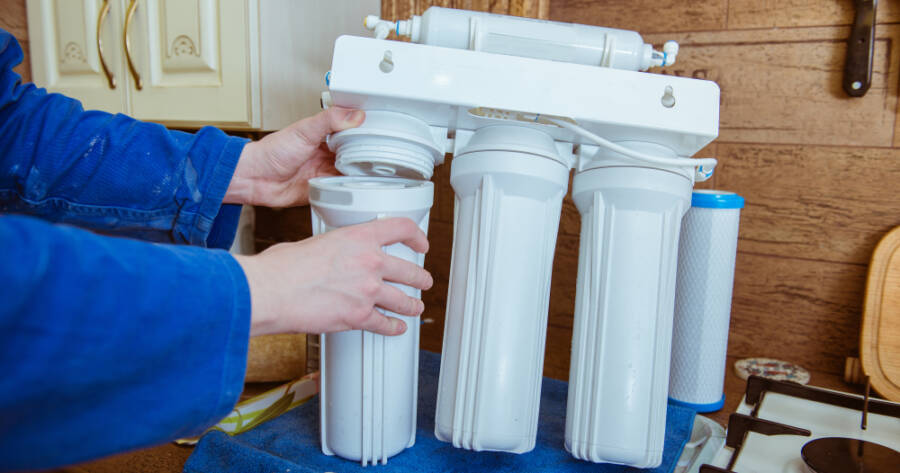
Carbon filters are usually simple to replace and require less upkeep, while reverse osmosis systems may include multiple stages that need attention. Some systems also use more water during the filtration process, especially reverse osmosis units . Keeping track of replacement schedules and following manufacturer guidelines helps ensure your system continues to perform well.
Considering Certifications and Quality
Not all filters perform the same, even if they look similar. Certifications can help you choose a reliable product. Many systems are tested to meet standards that confirm they remove certain contaminants effectively.
Looking for certifications from recognized organizations can give you confidence that the system does what it claims. It is also helpful to check what specific substances a filter is designed to remove, since different systems focus on different contaminants. Choosing a certified product helps reduce guesswork and ensures better results over time.
Making a Practical Choice
Choosing the best water filtration system for your home comes down to understanding your needs and matching them with the right technology. Some households only need basic filtration for taste, while others may require more advanced systems to address specific concerns.
By learning how different systems work, considering your home setup, and keeping up with maintenance, you can select a solution that fits your daily routine. A well-chosen system not only improves water quality but also makes it easier to trust what you and your household use every day.