

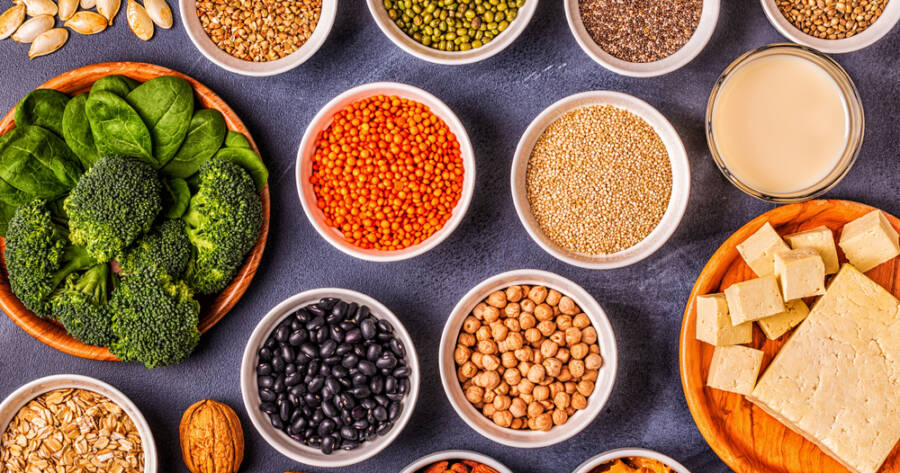
Many people in the United States choose a vegetarian diet for health, environmental, or personal reasons. One common concern is whether it is possible to get enough protein without eating meat. Protein is important for building and repairing tissues, supporting muscle health, and maintaining overall body function. The good news is that a well-planned vegetarian diet can provide adequate protein. With the right food choices and balanced meals, meeting protein needs is both practical and achievable.
Understanding Protein Needs
Protein requirements vary based on age, body size, and activity level. In general, adults need a steady intake of protein spread throughout the day rather than one large serving at a single meal. Protein is made up of amino acids, which support many body processes.
Vegetarians can meet protein needs by eating a variety of plant-based and, if included, dairy and egg products. While some plant foods contain lower amounts of certain amino acids, eating a range of protein sources throughout the day provides balance. Focusing on variety is more important than combining specific foods at every meal.
Top Plant-Based Protein Sources
Beans and legumes are strong protein sources for vegetarians. Lentils, black beans, chickpeas, kidney beans, and split peas can be used in soups, salads, and grain bowls. These foods also provide fiber, which supports digestive health.
Soy-based products such as tofu, tempeh, and edamame are also rich in protein. Tofu can be added to stir-fries or scrambled like eggs. Tempeh has a firm texture and works well in sandwiches or grain dishes. Nuts and seeds, including almonds, peanuts, chia seeds, and pumpkin seeds, add protein to snacks and meals.
Including Dairy and Eggs
For vegetarians who consume dairy and eggs, these foods provide additional protein options. Greek yogurt, cottage cheese, milk, and cheese contribute protein along with calcium. Eggs are versatile and can be used in breakfast dishes, salads, and baked meals.
Combining plant-based proteins with dairy or eggs can increase total daily intake without much extra effort. For example, adding yogurt to oatmeal or including eggs in a vegetable wrap creates balanced meals that support steady protein intake.
Building Balanced Vegetarian Meals
Each meal should include a source of protein along with vegetables and whole grains. For example, a bowl with quinoa, black beans, roasted vegetables, and avocado offers protein, fiber, and healthy fats. A lentil soup paired with whole grain bread creates a filling and balanced dinner.
Breakfast can also include protein-rich foods. Oatmeal topped with peanut butter and seeds, a vegetable omelet, or a smoothie made with yogurt and nut butter are strong choices. Spreading protein across meals supports energy and fullness throughout the day.
Planning Snacks With Protein
Snacks provide another opportunity to boost protein intake. Instead of relying only on fruit or crackers, add protein-rich options. A handful of nuts, hummus with vegetables, yogurt with berries, or a boiled egg can help maintain balanced nutrition between meals.
Preparing snacks in advance makes it easier to stay consistent. Keeping roasted chickpeas, trail mix, or pre-cut vegetables on hand reduces the temptation to choose less balanced options. Small additions throughout the day can make a meaningful difference in total intake.
Avoiding Common Mistakes
One common mistake is relying too heavily on refined carbohydrates such as white bread or pasta without adding protein. While these foods can be part of a balanced diet, they should be paired with beans, tofu, eggs, or dairy to improve overall nutrition.
Another mistake is assuming that protein must come from large portions at one meal. Steady intake across breakfast, lunch, dinner, and snacks is often more effective. Paying attention to variety and planning ahead helps prevent gaps.
Monitoring Your Diet
If you are unsure whether you are meeting your protein needs, tracking meals for a few days can provide insight. Writing down foods and estimating protein content helps reveal patterns. If concerns remain, speaking with a registered dietitian can provide personalized guidance.
Listening to your body is also important. Fatigue or difficulty maintaining muscle strength may signal a need to review overall nutrition. Balanced vegetarian diets should support energy, strength, and general well-being.
Building Confidence in Vegetarian Protein Intake
Getting enough protein on a vegetarian diet is possible with thoughtful planning and variety. By including beans, lentils, soy products, nuts, seeds, dairy, and eggs, you can create balanced meals that support your health.
Spreading protein intake across the day and pairing it with whole foods helps maintain steady energy. With preparation and awareness, a vegetarian diet can meet protein needs while supporting long-term wellness.